Why Timing and Placement of Rewards Matter in Dog Training
When it comes to dog training, most people focus on what reward to use—treats, toys, praise—but often overlook two of the most powerful factors in shaping a behaviour: timing and placement of that reward. Making sure you pay attention to these elements can dramatically accelerate your dog’s learning and create clearer, more reliable behaviours.

The Power of Timing: Mark the Moment
Dogs learn through association. For a behaviour to stick, you need to build a consistent reward history. To do this your dog needs to clearly understand the exact action that earned the reward. This is where timing becomes critical.
If you reward too early, you might reinforce the wrong behaviour. Too late, and your dog may associate the reward with something entirely different. An example of this is people asking for a sit upon a dog recalling, the dog is never rewarded for the recall only the sit. Over time with a young dog this can weaken a recall response. Instead reward the stages, so first immediately reward the recall, then ask for the sit and reward separately.
What Good Reward Timing Looks Like
- The reward (or marker like “yes!” or a clicker) should happen within 1–2 seconds of the desired behaviour.
- Ideally, you “mark” the behavior the instant it happens, then deliver the reward.
Example:
You ask your dog to sit.
- Correct timing: The moment their bottom hits the ground → “Yes!” → treat.
- Poor timing: You wait 3–4 seconds, and your dog stands up → treat. Now you may have rewarded standing instead of sitting.
By using a consistent marker word or clicker to “freeze” the moment. This buys you time to deliver the reward without losing clarity.
Why Placement Matters More Than You Think
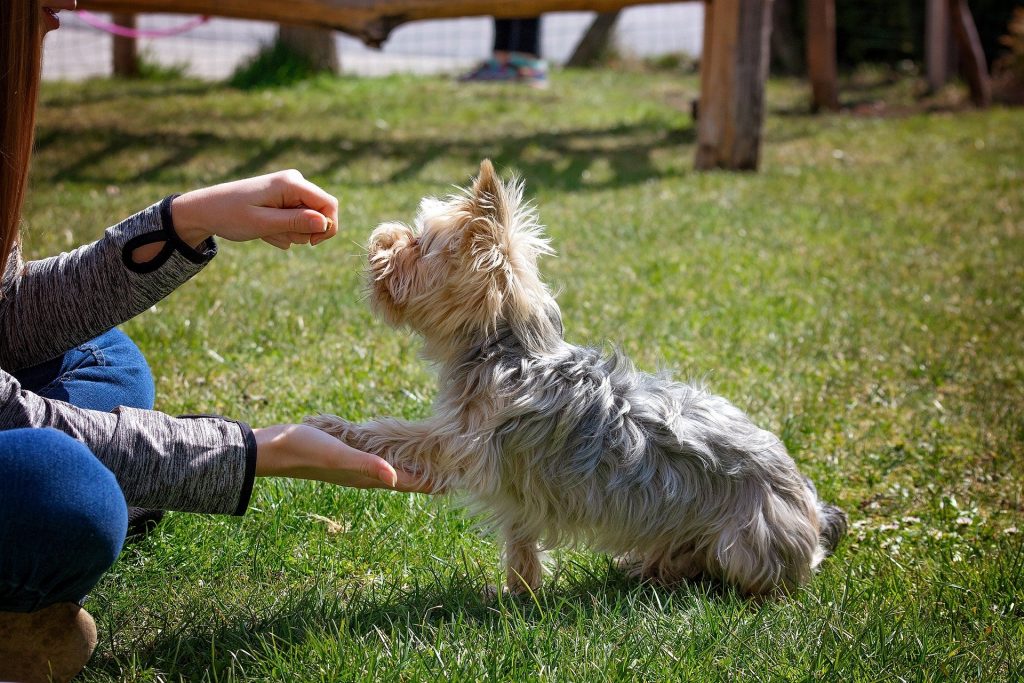
Where you deliver the reward influences how your dog performs the behavior in the future. Placement isn’t just about convenience—it actively shapes movement, posture, and focus.
Reward Placement Shapes Behavior
Dogs tend to move toward where the reward appears. You can use this to your advantage.
1. Reinforcing Position
- Deliver the treat where you want your dog to be
- For a sit: reward close to your dog to keep them grounded
- For heel: reward at the desired position at your side, not out in front
2. Preventing Common Mistakes
Poor placement can unintentionally create sloppy behaviors:
- Rewarding out in front → dog moves ahead
- Rewarding too high → jumping
- Rewarding behind → stopping behind
3. Building Duration and Calmness
For behaviours like “down” or “stay,” place rewards between your dog’s paws. This encourages stillness and relaxation rather than popping up to get the treat. For stay it is also important to teach that the reward isn’t an instant release. For this you can give multiple rewards throughout a long stay. Then give a clear release cue separate to the reward.
Timing + Placement = Clear Communication
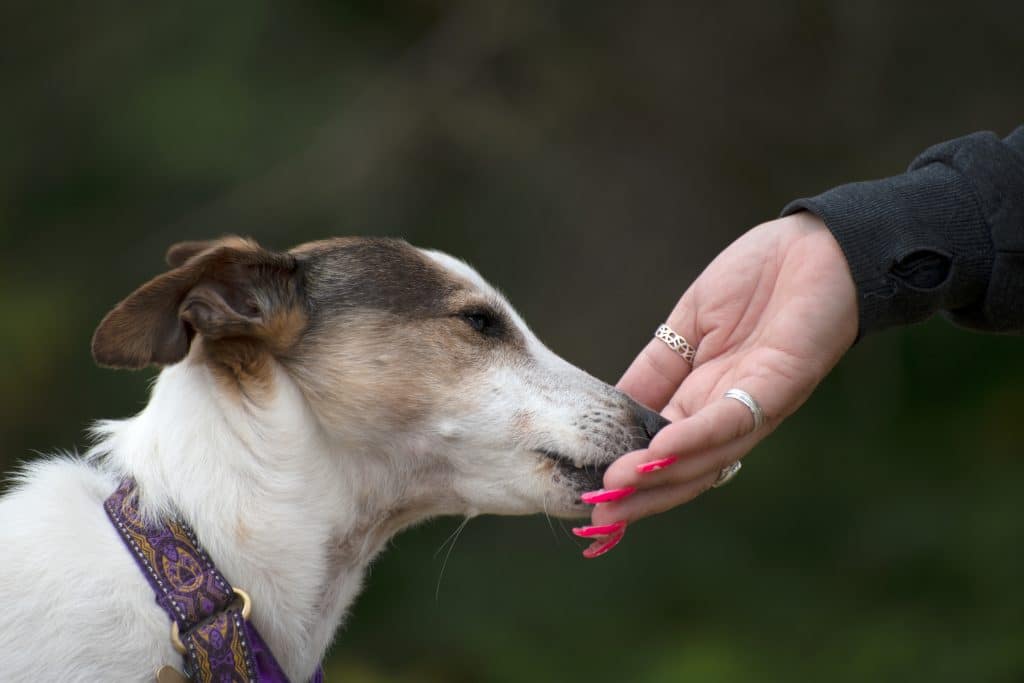
Think of timing as telling your dog “Yes, that’s it!”, and placement as telling them “Do it right here.”
When these two elements work together:
- Your dog learns faster
- Behaviours become more precise
- Training becomes less frustrating for both of you
Real-Life Training Example
Let’s say you’re teaching “down”:
- Dog lowers into position
- The moment elbows hit the ground → mark (“Yes!”)
- Deliver the treat on the floor between their paws
This combination:
- Reinforces the exact moment of success (timing)
- Encourages staying down instead of popping back up (placement)
Common Mistakes to Avoid
- Late rewards: Confuses your dog about what they did right
- Inconsistent markers: Weakens communication
- Lazy placement: Tossing treats randomly can create messy behaviors
- Rewarding movement instead of position: Especially common with sit, down, and heel
How to Improve Your Skills
Like any training skill, timing and placement take practice.
- Be intentional about where your hand delivers the treat
- Record your training sessions to spot mistakes
- Slow down—precision beats speed
Final Thoughts
Great dog training isn’t about using more rewards—it’s about using them better. By sharpening your timing and being deliberate with reward placement, you turn every training session into a clear, effective conversation your dog can understand.
When your dog knows exactly what earned the reward and where they should be, learning becomes faster, smoother, and a lot more enjoyable for both of you.
Not sure if your timing is right? get in touch today for a chat.
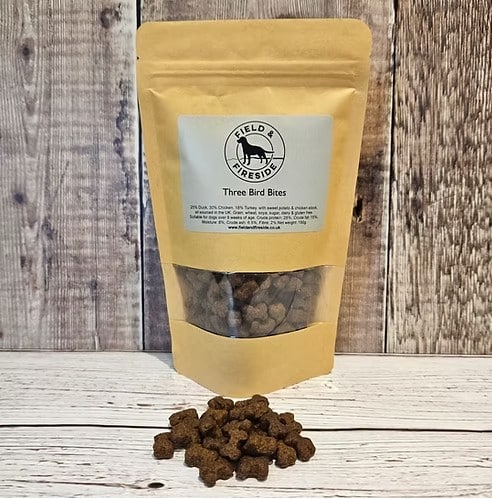
Looking for a great choice of treat? Check out these yummy three bird bites from our friends at Field and Fireside.